


Big Picture
Understanding Risk Tolerance in Grantmaking
By applying behavioral economics theory to philanthropy, we can better manage grantmaker tendencies toward loss and risk aversion, and the effects of other decision-making patterns.

By applying behavioral economics theory to philanthropy, we can better manage grantmaker tendencies toward loss and risk aversion, and the effects of other decision-making patterns.

A case for using targeted measures of progress in philanthropy.
Are traditional assumptions about how we “do” philanthropy preventing us from finding new and better ways of working?

By adopting a model from business, nonprofit organizations can launch, test, and implement new programs and services more efficiently. Includes magazine extras.
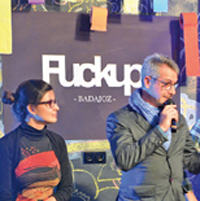
In cities all around the world, entrepreneurs are gathering to discuss the flubs, flops, and fiascos that punctuate their careers.

The catalysts of innovation are almost as rare, and almost as essential, as those who get credit for new ideas.
The path to innovation can be tricky, but being aware of the common pitfalls can help funders along the road to breakthrough social change.

To reach base-of-the-pyramid markets, entrepreneurs need to align their business models with customers’ lives.
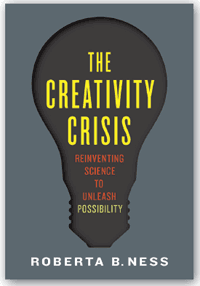
A survey of obstacles to innovation focuses erroneously on the supposed caution of university-based scientists.